🌳 Plant families
Relatives often share flavours, growing habits and, now and then, an allergy.
144 pages in 33 families, arranged from the oldest branches of the plant tree to the newest
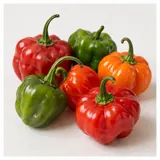
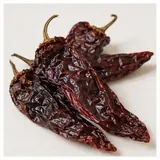
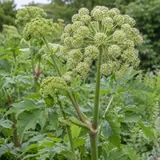
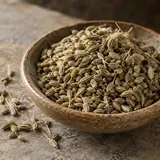
Every herb, spice and chilli comes from a plant, and botanists sort plants into families of close relatives. Many of the ingredients in a kitchen turn out to be cousins of each other, and of plants you would never think to cook with. Cumin, coriander, dill and fennel are all in the carrot family, alongside celery, parsley and the poisonous hemlock. Every chilli is a nightshade, like the tomato and the potato. Cinnamon and bay leaf share a family with the avocado.
Relatives often share a flavour, because they make similar aromatic compounds, and they can share an allergy too. Below, the families are grouped into the great branches of the plant family tree. Within each branch they sit under their order, the next rank up. Pick a family to see everything on the site that belongs to it.
Conifers
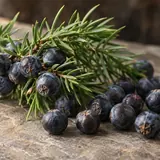
Trees and shrubs that carry their seeds in cones instead of inside flowers and fruit: pines, firs, cypresses, yews and junipers. They are gymnosperms, a far older group than the flowering plants; conifers were widespread long before the first flowers appeared, over 130 million years ago. Juniper is the one conifer in most spice racks, and its 'berries' are really small cones with soft, fused scales.
Early flowering plants
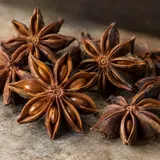
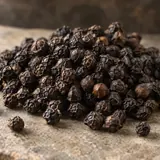
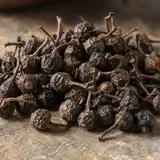
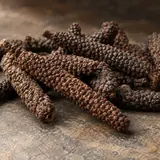
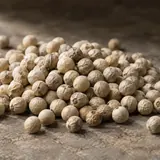
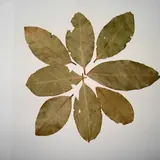
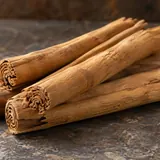
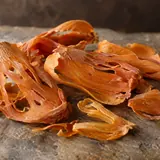
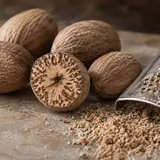
Flowering plants that belong to neither of the two biggest groups further down, the monocots and the eudicots. The star anise order branched off near the very base of the flowering-plant tree. The others are magnoliids, another old lineage of mostly woody, strongly aromatic plants: magnolias, laurels and peppers. They give the kitchen black pepper, cinnamon, bay and nutmeg.

Monocots
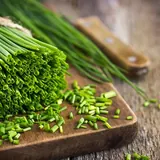
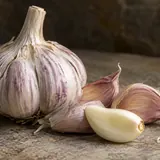
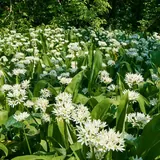
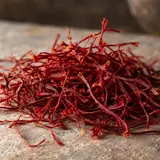
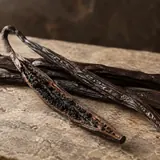
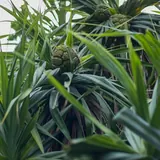
Flowering plants whose seedlings come up with a single seed leaf, the first leaf that appears when a seed sprouts. Most have long leaves with parallel veins and flower parts in threes. Grasses and cereals, onions and garlic, ginger and turmeric, vanilla and saffron are all monocots.
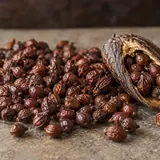
Buttercups, poppies and the pinks
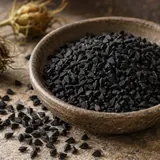
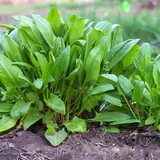
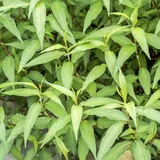
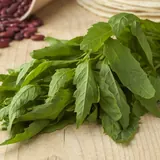
From here down the families are eudicots: flowering plants whose seedlings come up with two seed leaves, and which usually have leaves with a branching net of veins. Most flowering plants are eudicots. The buttercup and poppy order branched off early, before the two great groups below. The pinks, named after garden pinks and carnations, sit closer to the asterids. Nigella, poppy seed, sorrel and epazote come from here.
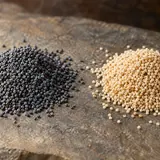
Rosids
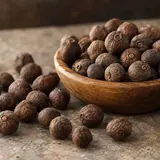
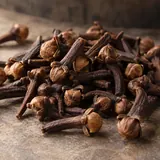
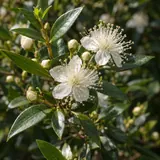
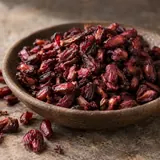
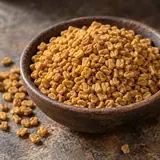
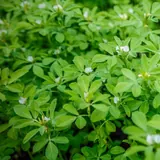
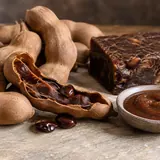
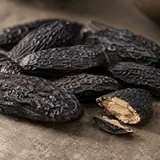
One of the two great groups of eudicots, about a quarter of all flowering plants. It takes in roses and apples, peas and beans, citrus fruit, cabbages and mustards, and the myrtles. Cloves, allspice, fenugreek, tamarind, sumac, Sichuan pepper and mustard seed are all rosids.

Asterids
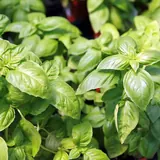
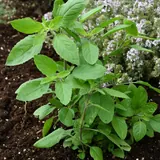
The other great group of eudicots, about a third of all flowering plants. Many have petals joined into a tube, and many are strongly scented. It takes in the mint family (basil, thyme, rosemary, sage), the nightshades (every chilli), the daisy family (tarragon) and the carrot family (cumin, coriander, dill and fennel).